
Last updated November 20, 2026
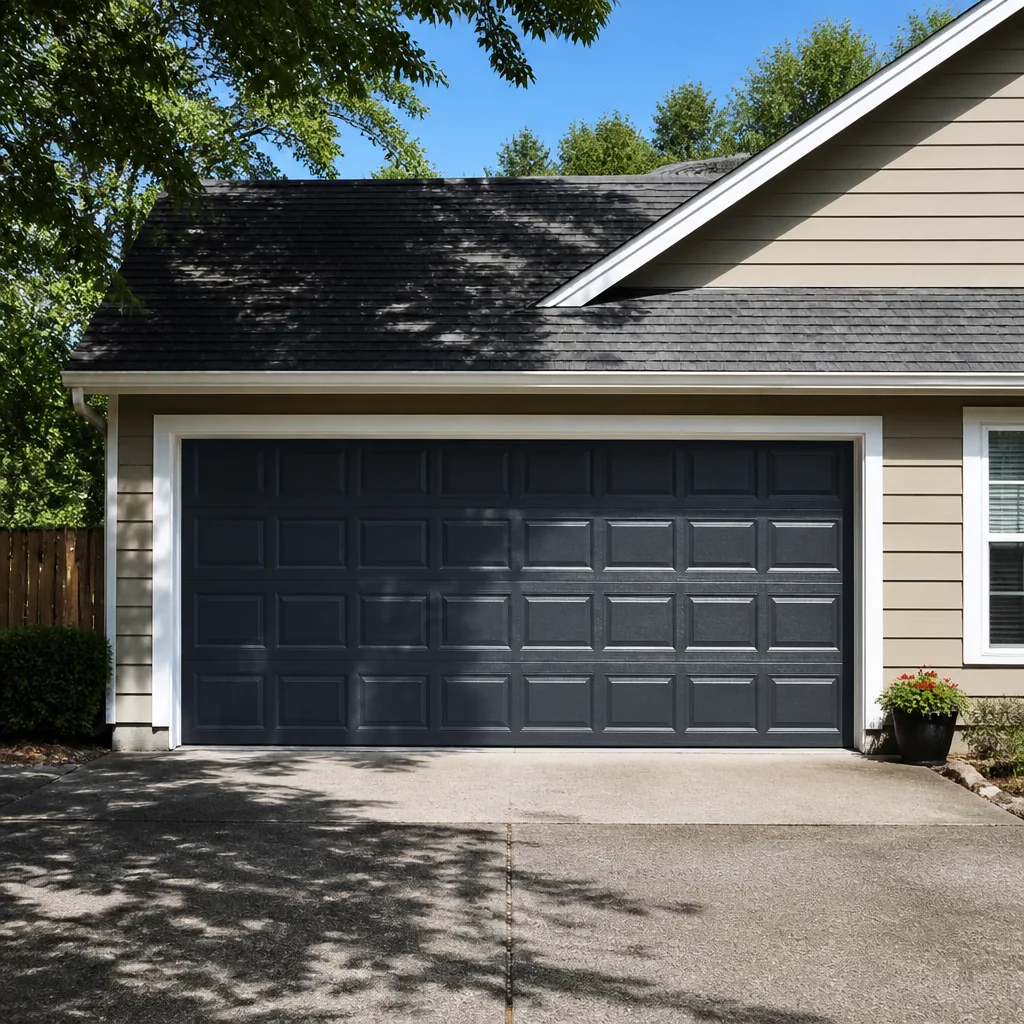 Raised-panel steel
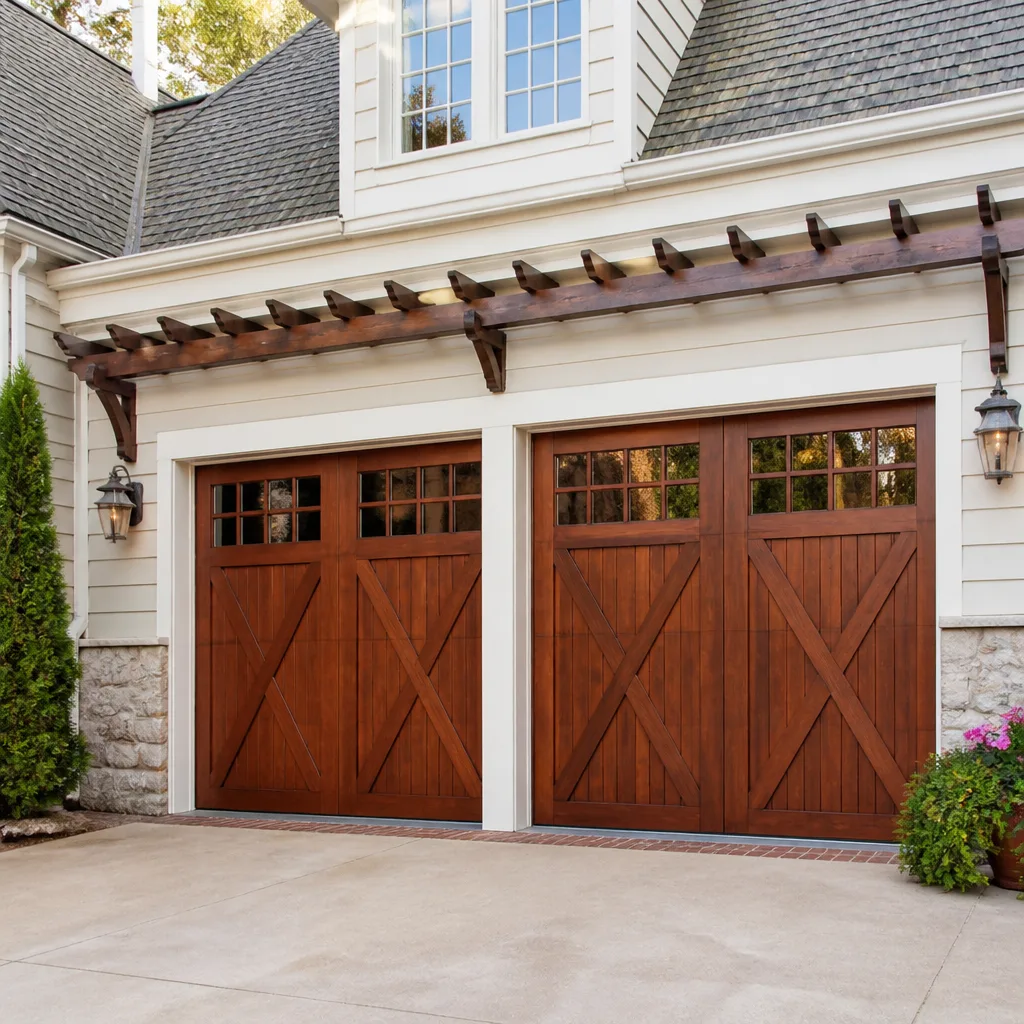 Carriage house
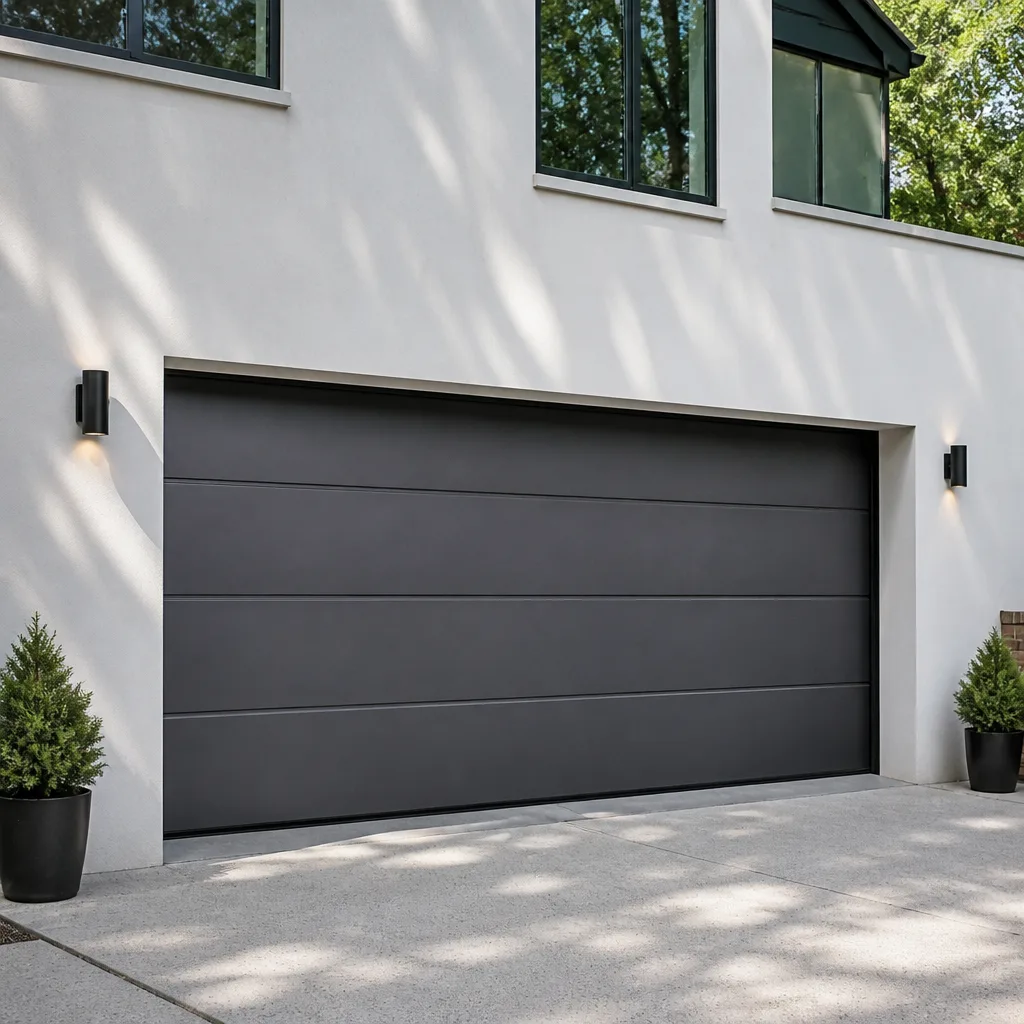 Modern flush
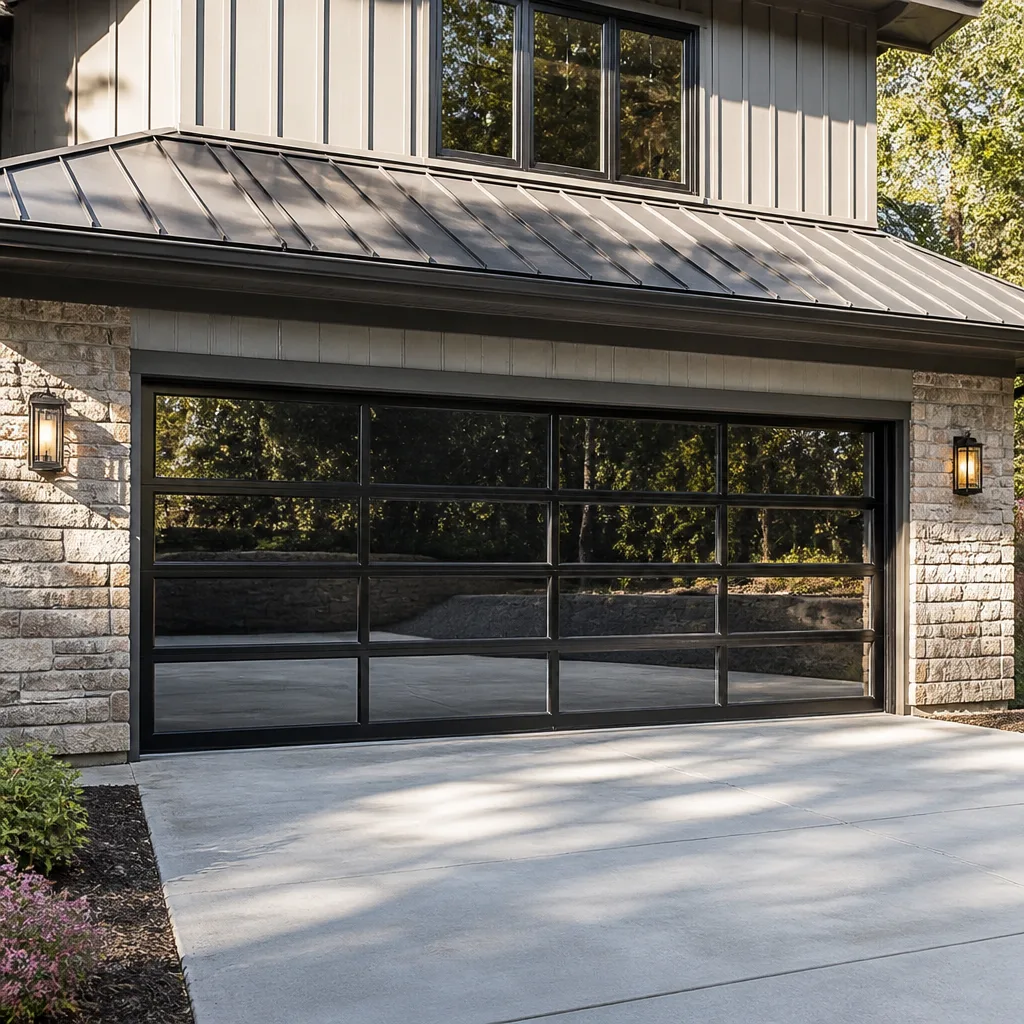 Full-view glass
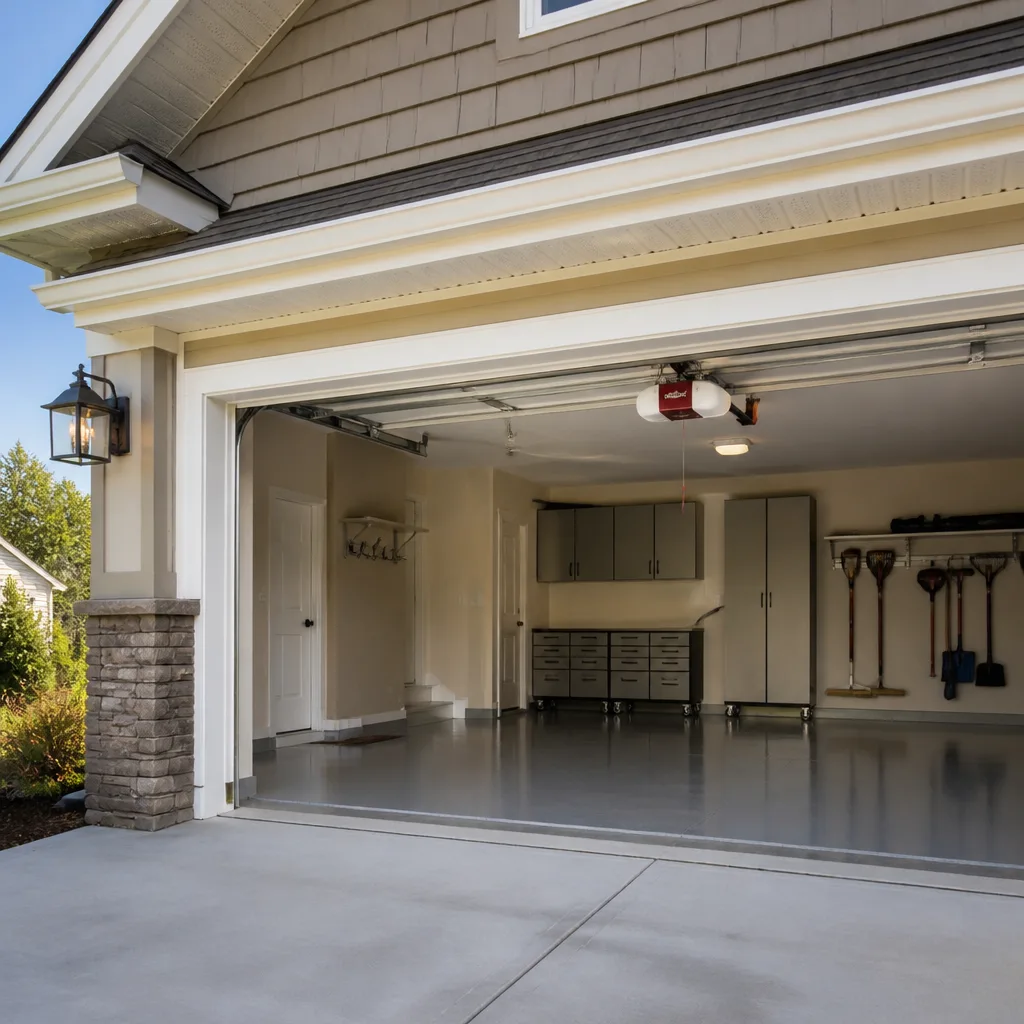 LiftMaster openers
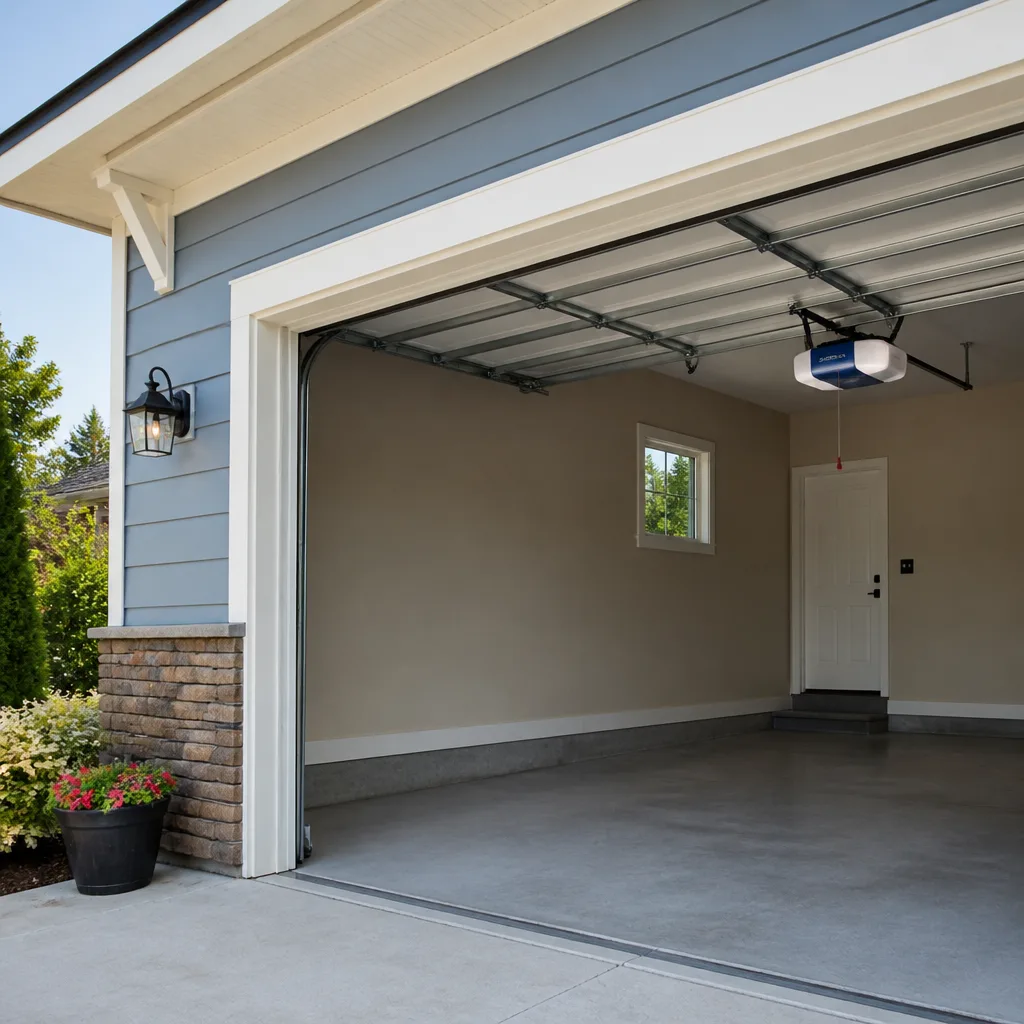 Chamberlain openers
Full 25-point door and opener safety check with every visit - springs, cables, rollers, tracks, and your LiftMaster or Chamberlain opener included
You get a price before we start. It does not change when the pro arrives.
Get your free estimateGarage Door Repair Maintenance Checklist for Roland Park Homeowners
Most garage doors don’t fail without warning. They send signals for months – a shimmy in the travel, a faint squeal on the up-run, a photo-eye that needs a nudge – and those signals get ignored until a spring snaps on a cold morning and the car is stuck inside. A maintenance pass a few times a year catches almost everything before it strands you. This guide walks through the full checklist we use on doors across Roland Park, from the springs and cables to the tracks, panels, weatherstripping, and the opener system itself.
Quick Answer
A working maintenance routine for a Roland Park garage door has four layers: a monthly visual and safety check you can do yourself, a seasonal lubrication and balance pass, an annual hardware inspection by a trained technician, and a prompt response to the failures that should never be ignored – snapped springs, frayed cables, off-track rollers, or an opener that runs but won’t lift. Most door problems start small and cheap to fix. The checklist below is built to keep them that way.
Styles & brands we work with
- Raised-panel steel
- Carriage house
- Modern flush
- Full-view glass
- LiftMaster openers
- Chamberlain openers
Table of Contents
- Monthly Safety Checks You Can Do Yourself
- Springs and Cables: What to Look For and What to Leave Alone
- Opener and Safety Reverse System Testing
- Tracks, Rollers, and Hinges
- Weatherstripping and Sealing the Gaps
- Seasonal Checklist for Roland Park Climate
- Red Flags That Mean Stop Using the Door
- When to Call a Professional
Monthly Safety Checks You Can Do Yourself
These checks take about five minutes and don’t require tools. They’re the first line of defense against the failures that turn a minor repair into an emergency call.
- Test the safety reverse. Place a roll of paper towels or a low box in the door’s path and close the door. It should reverse on contact. If it doesn’t, stop using the door until it’s adjusted.
- Check the photo-eye alignment. Both sensors at the bottom of the track should have a steady indicator light facing each other. A flickering or dark LED means misalignment, dirt, or a wiring issue.
- Listen to the door in motion. A door that runs quietly when new but starts to rumble, squeak, or grind is telling you something. Note where the noise comes from – top of travel, bottom, or throughout.
- Check the balance by hand. With the opener disconnected (pull the release cord), lift the door to about waist height and let go. A balanced door stays put. One that drifts down or shoots up has a spring tension problem.
- Look at the gap at the floor. Daylight visible under a closed door means the bottom seal has worn or the door is misaligned. That’s a heat loss and a pest-entry point in Roland Park homes.
- Glance at the hardware. Hinges, brackets, and roller stems should be tight. Any bolt that’s backed out or any bracket that looks bent is worth flagging before it worsens.
We recommend running this list on the first weekend of each month. If a homeowner in Roland Park finds a problem mid-month and isn’t sure whether it’s urgent, a quick call is worth more than a guess. We answer 24/7.
Springs and Cables: What to Look For and What to Leave Alone
Springs and cables carry the full weight of the door. They’re the most common failure point on a garage door and the one component you should never touch yourself. High-tension spring systems require specific tools, training, and safety protocol, and there’s no safe way for a homeowner to adjust or replace a spring without them. That’s not a sales line – it’s a real hazard.
What you can safely do is look, and know what healthy springs and cables should look like:
- Extension springs (the ones that run parallel to the horizontal tracks) should be straight with no visible gaps or coils that have stretched and separated. Safety cables running through their center should be intact.
- Torsion springs (the coil on the shaft above the door) should have no visible gap between the coils. A visible gap means the spring has broken.
- Cables should be taut, smooth, and free of frayed strands or kinks. A cable with even one broken strand needs replacing – a snapped cable can whip and cause serious injury.
- Drum and cable spool at the top corners should be clean and free of rust or cable wrap that’s jumped the track.
Springs typically last a set number of cycles, and a household that opens and closes the door several times a day will reach the end of that lifespan sooner than a weekend driver. When a spring goes, the door usually won’t lift at all, or it lifts crooked and jams. If you hear a loud snap and the door won’t open, stop using the opener immediately – running it against a dead spring can damage the opener motor and bend the tracks. garage door repair in Roland Park handles spring replacement as a core service, using the right tools and protocol for one of the highest-risk repairs in residential home services.
Opener and Safety Reverse System Testing
The opener is the part most homeowners notice and least often maintain. Whether your door runs on a LiftMaster, Chamberlain, Genie, or Craftsman unit, the maintenance points are the same: lubrication, force setting, safety reverse, and the battery backup if the unit has one.
Run this sequence once a season:
- Test the wall control. Press open and close. It should respond immediately and completely.
- Test each remote. A remote that works only close to the door usually has a weak battery or a worn antenna connection.
- Check the force setting. Most openers have a force adjustment on the motor head. If it’s been turned up over the years to push a stiff door, the door needs service, not a higher setting.
- Test the safety reverse with a solid object. The door must reverse on contact with a low object, and again when the photo-eye beam is broken.
- Check the manual release. Pull the red release cord and re-engage. It should move freely and the door should reconnect smoothly.
If the opener runs but the door doesn’t move, the problem is almost always a broken spring, a disengaged trolley, or a stripped gear inside the unit. A technician can tell which within a few minutes. For a Roland Park homeowner with a modern opener – a smart-connected Chamberlain or a belt-drive LiftMaster, for example – we can often diagnose over the phone before arriving, which shortens the visit.
Tracks, Rollers, and Hinges
The tracks are the door’s guide rails, and a slightly bent or dirty track is the most common cause of a door that binds, jerks, or comes off its rollers. Rollers wear out from friction, hinges dry out, and bearings need attention seasonally.
What to check and how often:
- Tracks: Look for dents, bends, or sections that have pulled away from the jamb. A small bend near the curve at the top of the vertical track is common and is what causes most off-track incidents.
- Rollers: Nylon rollers should spin freely without wobble. Steel rollers should be quiet. Any roller that’s flat-spotted, cracked, or greasy-squealing is due for replacement.
- Hinges: Look at the hinge barrels for rust or missing pins. A hinge that fails mid-travel can drop the door off its track.
- Bolts and fasteners: Every bracket bolt should be snug. Vibration loosens them over time, and a loose top bracket can let the door swing.
Lubrication is where most Roland Park homeowners either overshoot or skip entirely. Use a garage-door-specific lubricant on hinges, rollers, and the torsion shaft bearings – not WD-40, which is a solvent, not a lubricant, and will strip the grease you actually need. A light coat twice a year is enough. Avoid greasing the tracks themselves; the rollers ride on them and grease attracts grit.
Weatherstripping and Sealing the Gaps
Weatherstripping doesn’t get much attention until the first cold snap or the first big rain finds its way in. In Roland Park, where summer humidity and winter freeze-thaw cycles work on the door’s seals, the weatherstrip is what keeps the conditioned air inside and the weather out.
Three seals to inspect:
- Bottom seal (astragal): The rubber or vinyl strip along the floor. It compresses over time. If it’s cracked, torn, or leaving gaps, it needs replacement – usually a straightforward job.
- Side jambs and top: The stops on either side should make contact with the door when it’s closed. If you can see daylight along a side edge, the door may be slightly off-center on its track or the stop has compressed.
- Threshold: The floor seal should meet the bottom seal evenly. If one side has a gap and the other doesn’t, the door is racked and needs adjustment before the weatherstrip wears unevenly.
A door that’s stubbornly cold, noisy on windy days, or letting insects into the garage is telling you the seal budget is due. Weatherstripping is cheap compared to the heat or cooling loss over a season, and replacement is usually a same-day job for a garage-door specialist.
Seasonal Checklist for Roland Park Climate
Roland Park’s weather is its own thing: humid summers, cold winters with enough freeze-thaw cycles to work on hardware and concrete, and wet spring seasons that find every seal gap. The maintenance schedule below is built around those cycles rather than the generic twice-a-year advice on most garage door sites.
- Spring (after last frost): Full hardware inspection – tighten bolts, check springs for visible coil separation, lube hinges and rollers. Test the safety reverse after the winter’s temperature swings. Look for rust on cables and drum.
- Early summer (before the humidity peaks): Check the weatherstripping on all sides. Lubricate the opener’s chain or belt per the manufacturer’s instruction. Test each remote. Clean and align the photo-eye sensors.
- Fall (before first freeze): Check the bottom seal for cracking – freeze-thaw is when a tired seal fails. Confirm the door is balanced by hand. If the opener’s force setting has crept up over the summer, it’s time to investigate the door, not the setting.
- Winter (monthly): Listen to the opener on every cycle. Cold stiffens lubricant and makes a worn spring more likely to break. Any unusual noise on the up-run is worth a call before it becomes a morning stuck-car problem.
Visiting a door in Roland Park for the first time, we always note the exposure – whether the door faces a tree canopy, a wind gap, or a south-facing wall that cooks in summer. That tells us which parts of the checklist this specific door needs most attention.
Red Flags That Mean Stop Using the Door
Some problems are maintenance items. Others are “stop now” problems. The distinction matters – using a door in a compromised state can turn a simple repair into a much bigger one, or cause injury.
Stop using the door and call a professional if:
- You heard a loud snap from the springs and the door won’t lift.
- The door is visibly crooked, one side higher than the other, or off its track.
- A cable is loose, hanging, or has visibly frayed strands.
- The opener runs but the door doesn’t move, or moves only partway and stops.
- The door won’t stay closed and reverses on its own without a visible obstruction.
- Any piece of hardware – a hinge, bracket, or roller stem – has broken loose.
In any of these cases, disconnect the opener (pull the red release), leave the door in the position it’s in, and call for repair. A detached door or a broken spring is a safety concern, and an experienced technician can typically diagnose the failure quickly and lay out the repair options before any work begins.
When to Call a Professional
Most of the checklist above is designed to be done by a homeowner. But a few items belong firmly in the hands of a trained technician: spring tension adjustment, cable replacement, track realignment, opener force and travel calibration, and any diagnosis of a door that’s showing one of the red flags above. When a door fails and the car is stuck inside, that’s not a tomorrow problem – we treat it as an urgent call, not a scheduled appointment. Our technicians have up to 10 years of experience across the eight brands we service, including LiftMaster, Chamberlain, Genie, Clopay, Amarr, Wayne Dalton, Craftsman, and Raynor, so we work on the system you actually have. Garage Door Repair Roland Park offers free estimates in Roland Park – call (833) 549-0245. We answer 24/7. Fast dispatch from 7am to 7pm, Sunday through Friday. The price is quoted and agreed before any work starts, and the written estimate sets the final price.
See the difference
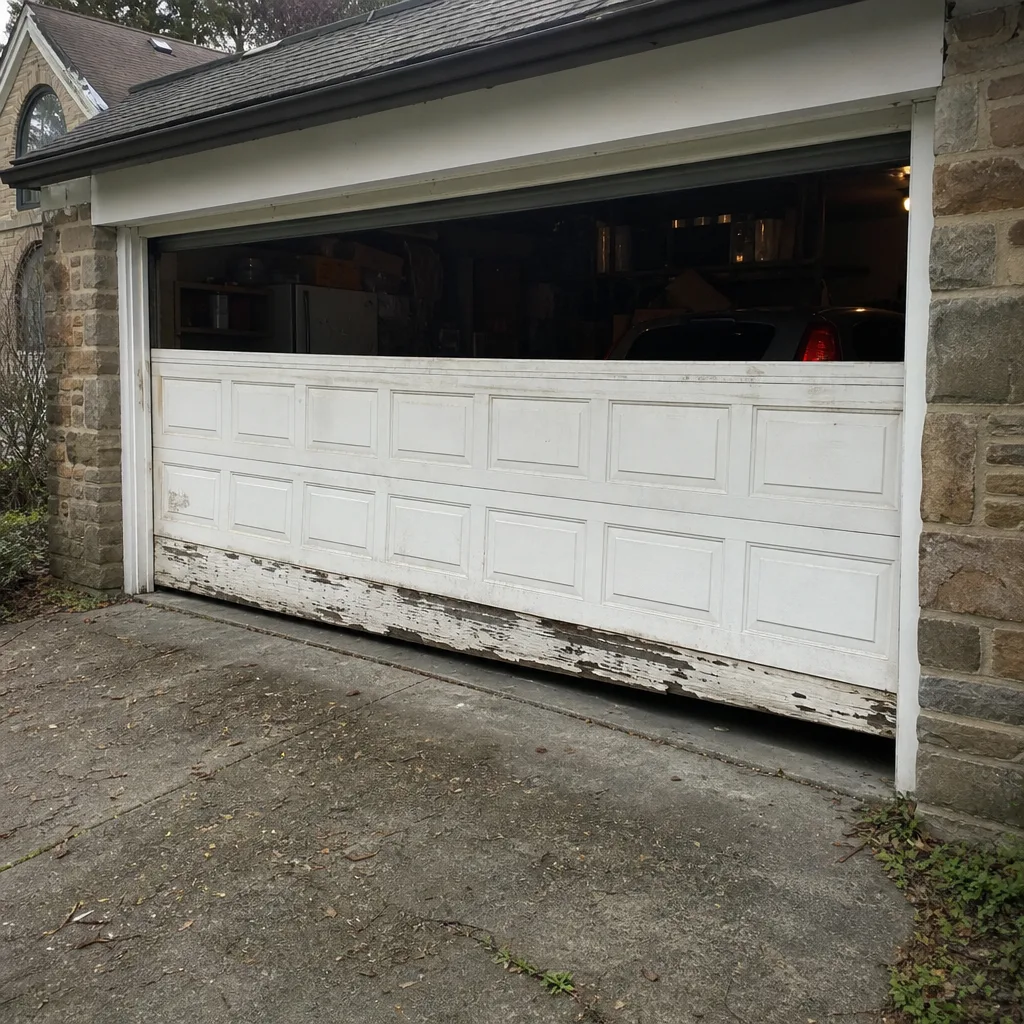 Before
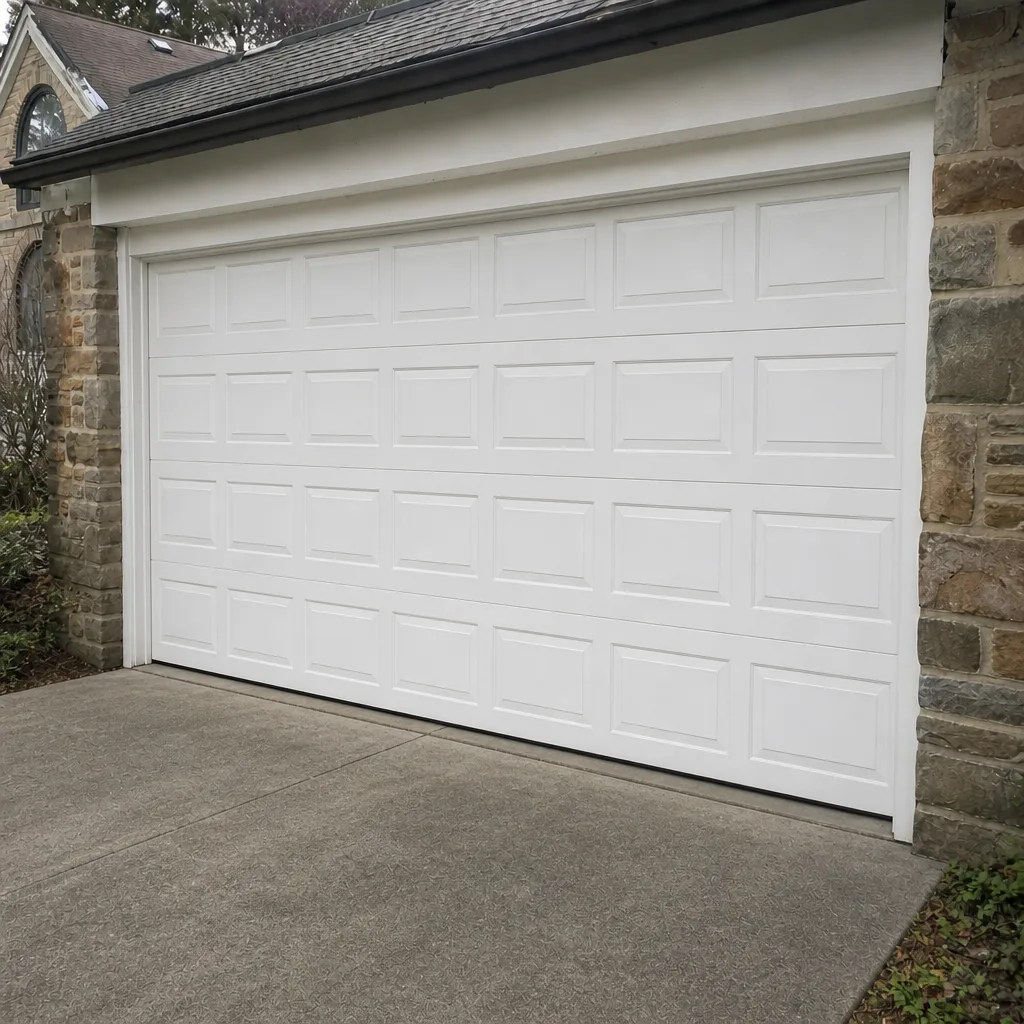 After
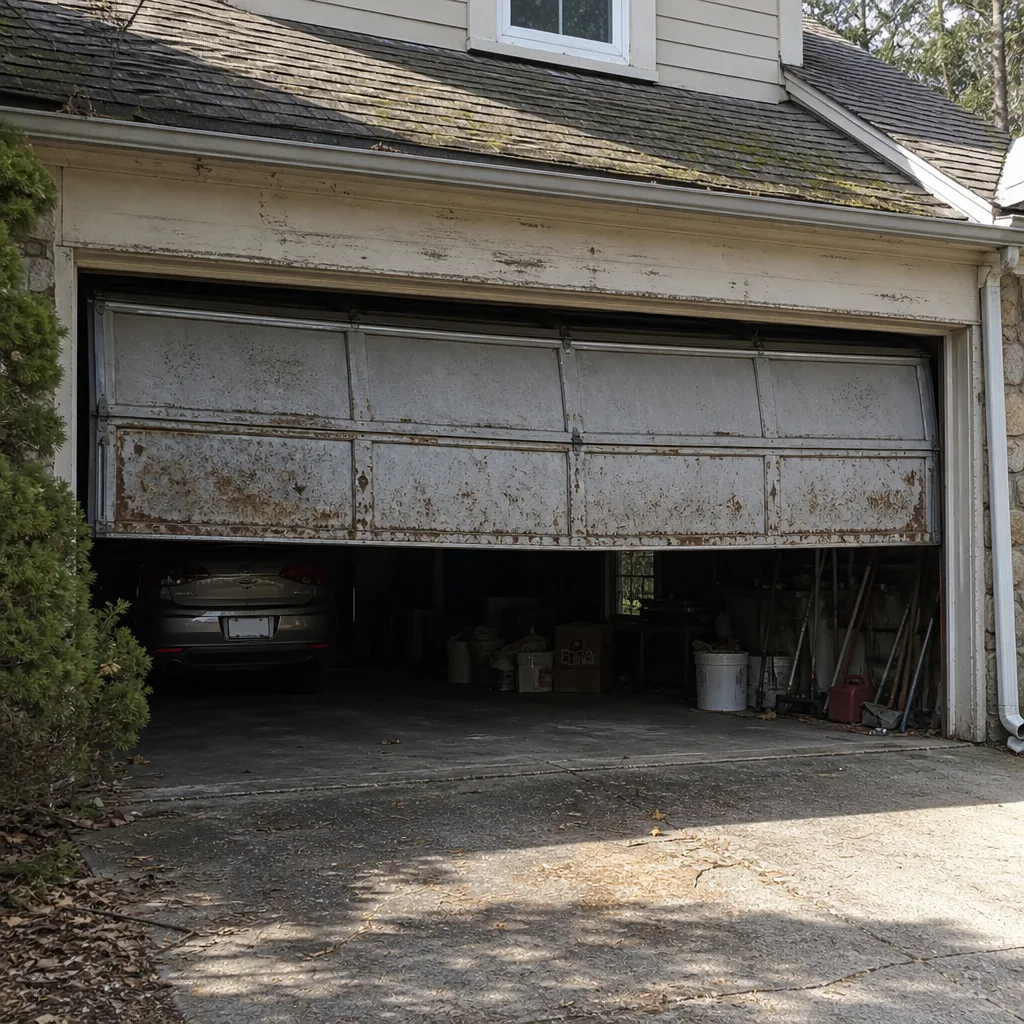 Before
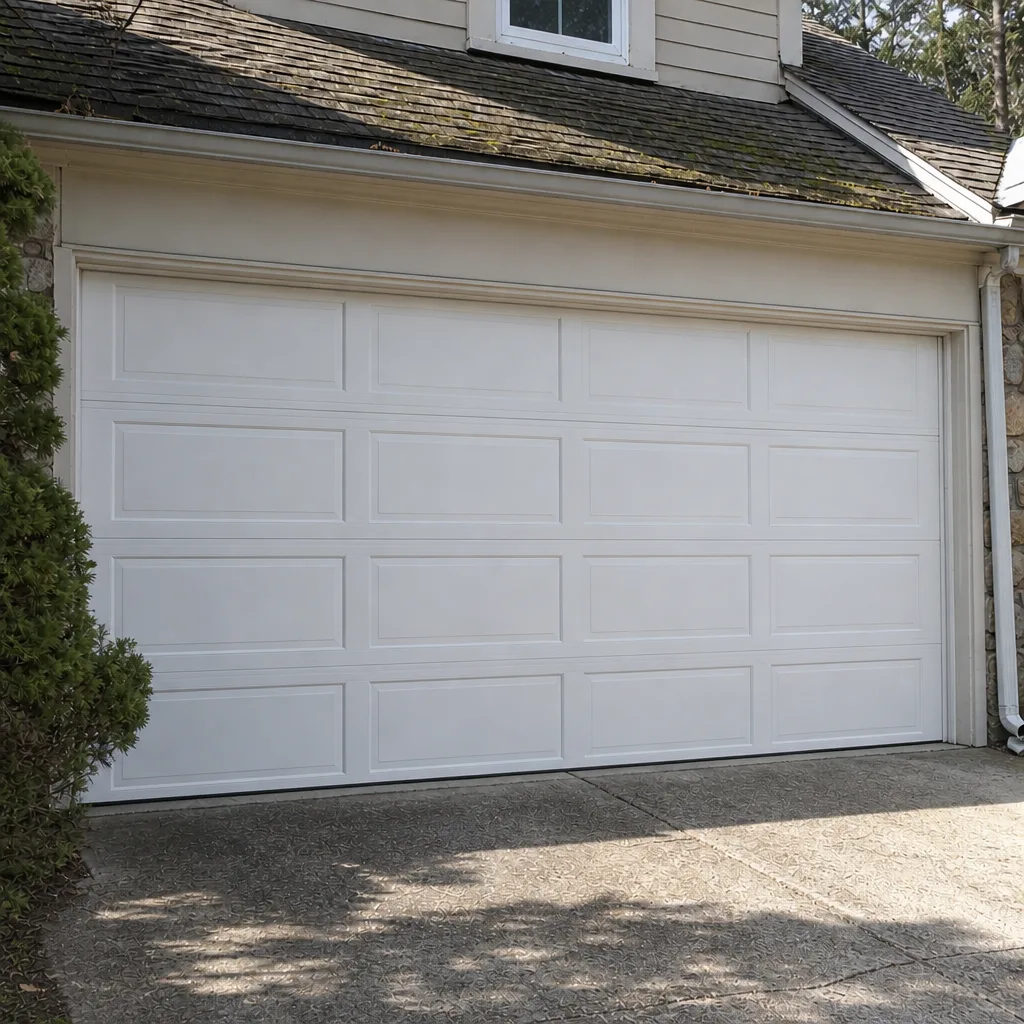 After
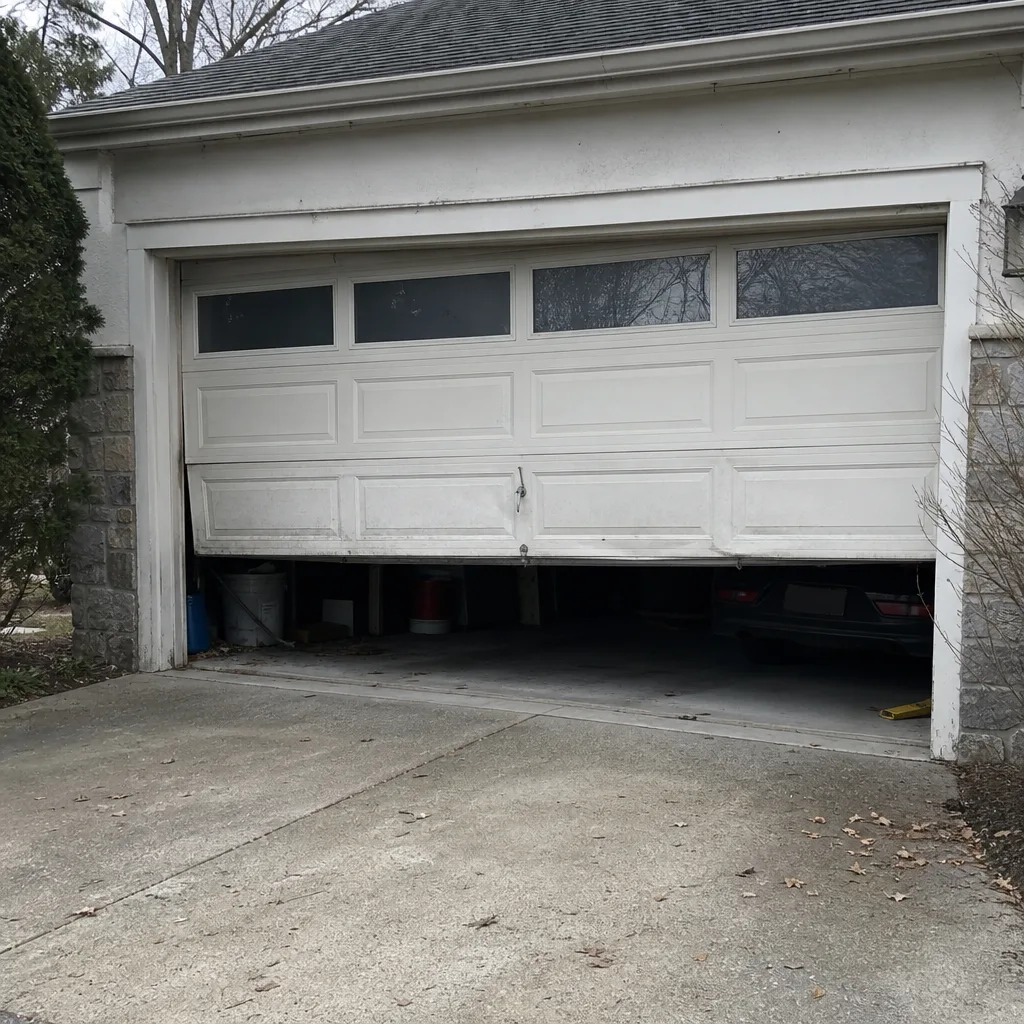 Before
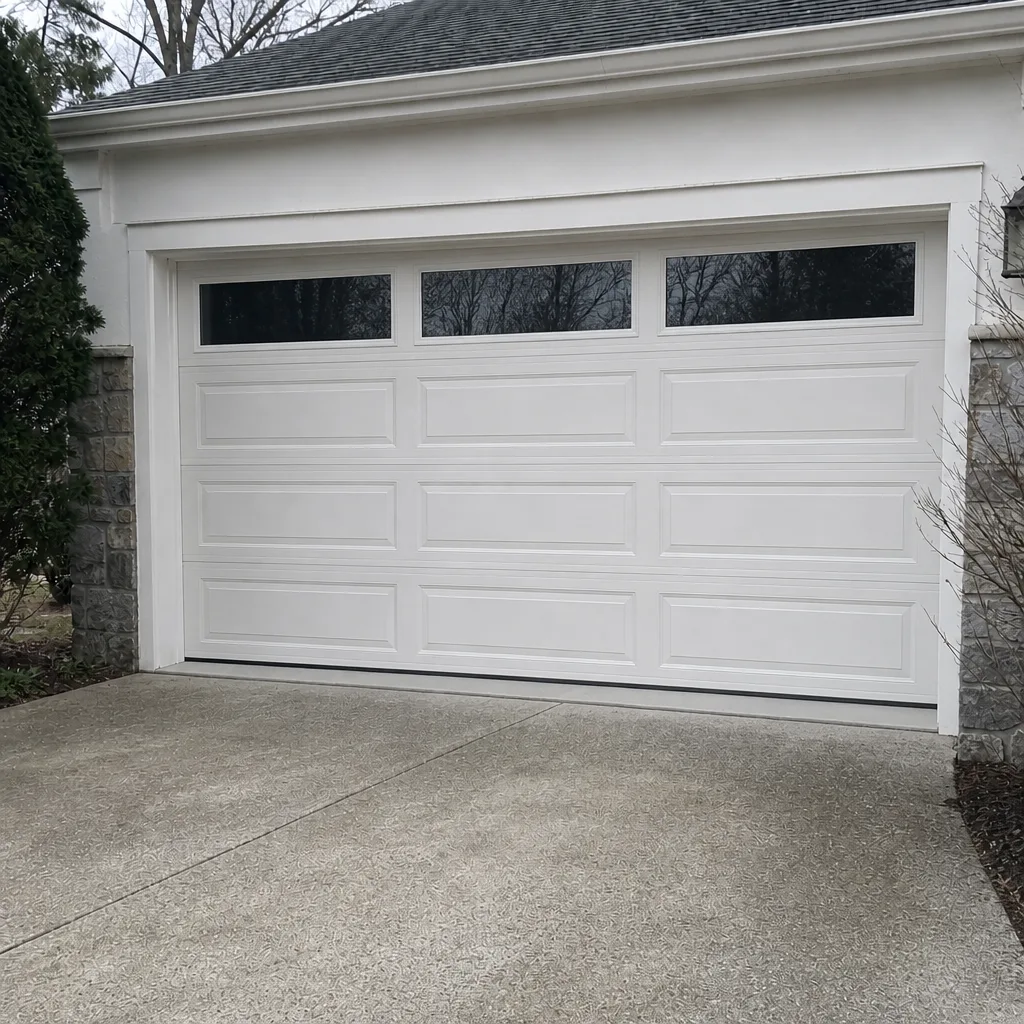 After
Common Mistakes to Avoid
- Greasing the tracks. It feels productive, but grease on the tracks grabs grit and accelerates roller wear. Lubricate the rollers, hinges, and shaft bearings instead.
- Turning up the opener’s force setting to compensate for a stiff door. A door that needs more force needs service. Higher force settings mask the real problem and wear out the opener motor faster.
- Ignoring a door that reverses without cause. A door that reverses unprompted usually has a misaligned photo-eye, a failing limit switch, or a logic board issue. Left alone, it can fail closed on a car, a pet, or a child.
- Using WD-40 as garage-door lubricant. It’s a solvent and displaces the actual lubricant. Use a garage-door-specific lubricant rated for hinges and rollers.
- Forgetting the door exists between failures. A few minutes of monthly checking is the difference between a $200 hinge-and-roller refresh and a full spring and track repair.
- Not testing the safety reverse after any change. After replacing a battery, cleaning a sensor, or adjusting anything, re-test the safety reverse. It’s the door’s most important safety feature.
- Assuming a quiet door is a healthy door. A door that runs quietly but binds at the top of travel is still failing. Watch the door’s motion, not just its sound.
Frequently Asked Questions
Once a year is the standard for a residential door, and twice a year – spring and fall – is better in a climate with as much temperature swing as Roland Park sees. The annual visit covers springs, cables, balance, opener calibration, and the safety reverse system. A professional service visit costs a fraction of an emergency repair, and it catches the failures your visual checks can’t see.
Yes, and you should. Use a garage-door-specific lubricant on the hinges, rollers, and torsion shaft bearings twice a year. Avoid the tracks themselves and avoid WD-40. What you should not do is adjust spring tension, replace a cable, or attempt a spring swap – those require the right tools and training.
Broken springs, by a wide margin. Springs are rated by cycles, and a door that opens several times a day will reach that ceiling sooner than a weekend driver. The other common failures we see are worn rollers, misaligned safety sensors, and openers that have been pushed past their force setting to compensate for a door that needed service.
Look at the torsion spring above the door. If there’s a visible gap between coils, it’s broken. For extension springs, look for a gap in the coils or a stretched-out section. If the door won’t lift at all or lifts crooked, that’s a strong signal. A snapped spring can cause serious injury, so don’t force the door – call for repair.
Yes. An off-track door is a common repair. We’ll inspect the tracks, rollers, and hinges to find what caused the jump – usually a bent track section or a failed hinge – and realign or replace the affected parts. Don’t try to force a door back onto its track yourself; the door’s weight and spring tension make it dangerous.
Yes. We offer emergency garage door service for urgent failures – broken springs, doors off track, opener failure. Call (833) 549-0245. We answer 24/7. Fast dispatch from 7am to 7pm, Sunday through Friday. A call outside dispatch hours is booked into the next opening, Sunday through Friday, 7am to 7pm. The price is quoted and agreed before any work starts.
The Bottom Line
Garage door maintenance is mostly unglamorous – tighten a bolt, test the safety reverse, note a noise, replace a tired bottom seal. The payoff is that the door keeps working, the car stays accessible, and you don’t end up making an emergency call on a cold morning. The Roland Park checklist above can be run monthly in minutes, with a seasonal pass that goes deeper on springs, cables, opener, and weatherstripping. The few items that genuinely matter – spring tension, cable replacement, track realignment, and diagnosis of a door showing red flags – belong with a trained technician. If something on this checklist has you unsure, that’s the point at which a quick call saves time and money.
When you need a garage door specialist – for a repair, an opener issue, a spring replacement, or a full new installation – call Garage Door Repair Roland Park at (833) 549-0245 for a free estimate. We work on the system you have, with the tools and experience to do it right the first time.
Written by the team at Garage Door Repair Roland Park.